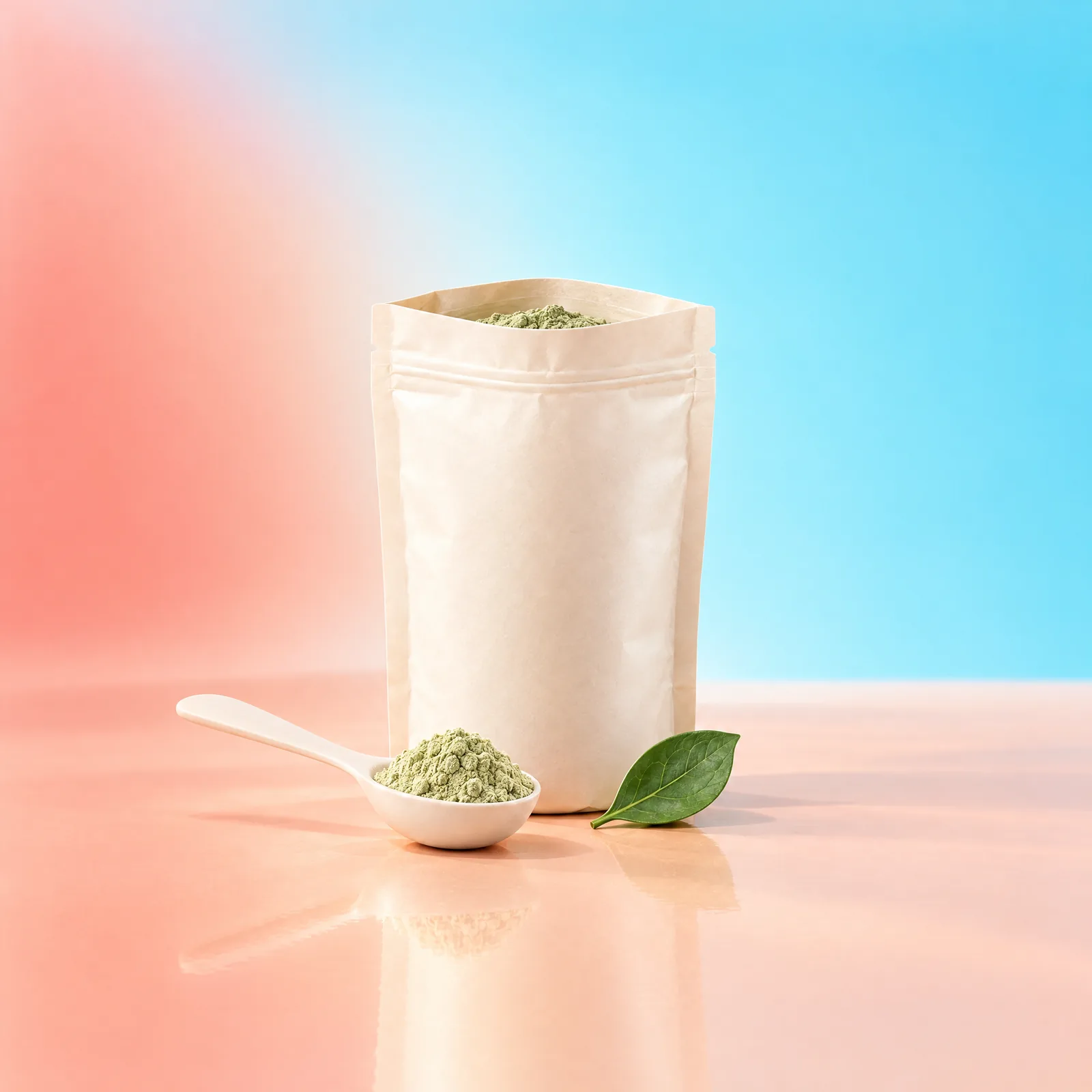
Private Label Fibre Powder: Build the Product Around Preparation and Taste
Develop a private label fibre powder around preparation, taste and packaging. Send Vitaminlabs your formula direction, markets and expected first order.
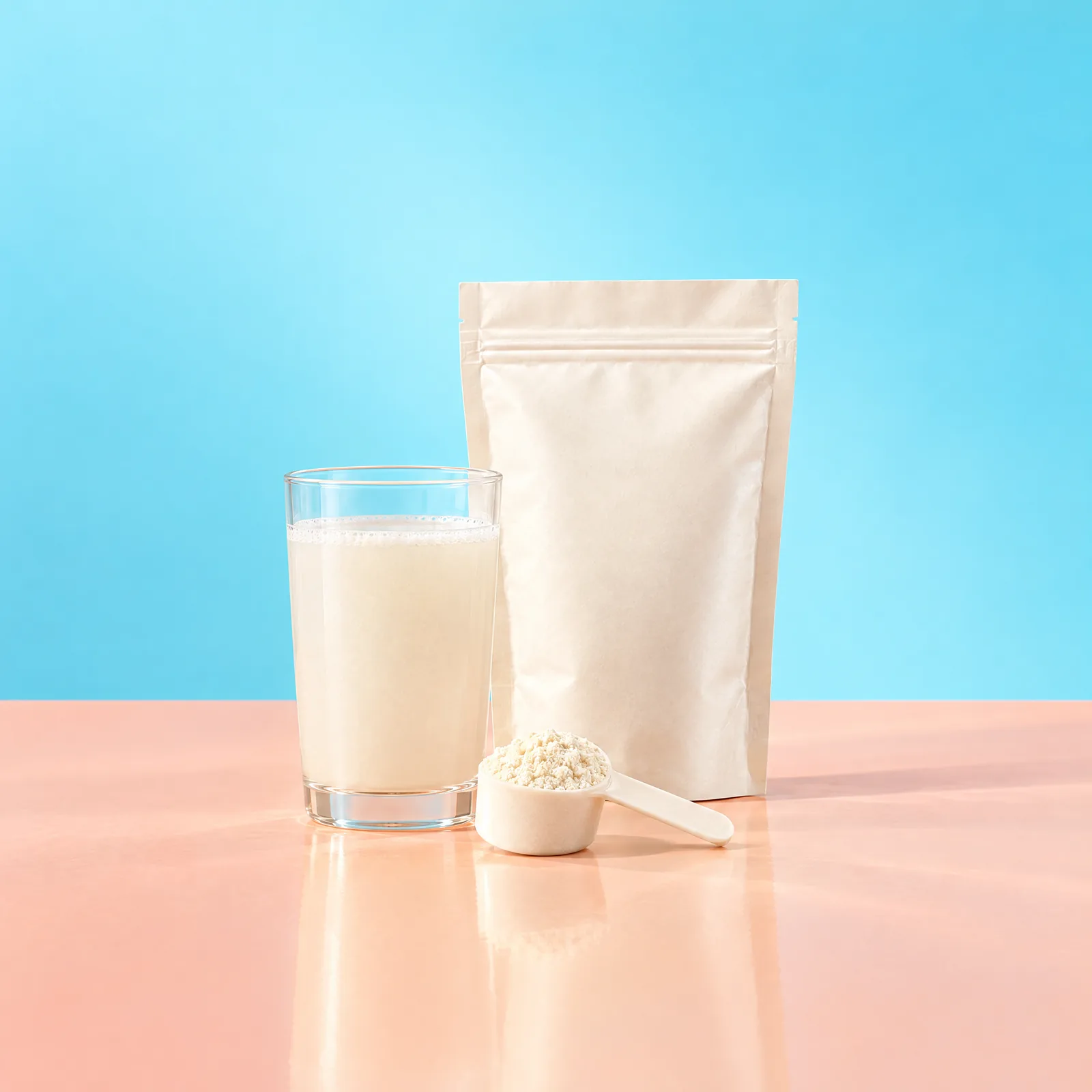
Customers buying a fibre powder need a preparation routine they can repeat. Decide whether your private label product will be mixed with water, added to food or served as a flavoured drink. Then assess the ingredient blend, portion and packaging against that routine. Different fibres can behave differently after mixing, so test both the initial texture and what happens after standing. Clear preparation instructions and a usable serving tool are part of the product customers will receive.
Choose a specific customer routine
Describe how the intended customer will use the powder. Is it mixed with water, added to food or prepared as a flavoured drink? Each direction has different sensory and instruction requirements. Choose the main routine for the first SKU rather than suggesting that the product works equally well in every situation. A manufacturer can evaluate a defined preparation method more usefully than a general request for an easy-to-use fibre blend.
State the serving weight, pack size and intended days of supply, even if the figures are provisional. Ask the manufacturer to advise where the chosen material may change those assumptions. If the brand already sells greens or a related product, explain how the fibre powder will differ. Customers should be able to identify what they are buying without relying on a broad promise about digestive outcomes that has not been reviewed.
Specify the fibre system
Ask for the exact ingredient or blend proposed and the amount of fibre supplied in the finished serving. A material's total weight and its declared fibre contribution are not always identical. Request relevant specifications and the basis for the nutrition information. If a blend is offered, understand why each component is included. Texture, preparation behaviour and sensory result can matter as much as an attractive total on the front label.
If the concept uses the term prebiotic, treat the proposed wording as part of the market review. An ingredient description, supplier study and finished-product claim are different pieces of information. Check the exact material and intended use, particularly where a newer ingredient or preparation may require a Novel Food assessment. Naming the sales countries early makes these questions easier to resolve before the formula and artwork are fixed.
Test preparation over time
Follow the proposed instructions with an ordinary glass, spoon or shaker. Observe dispersion, clumps, mouthfeel and how the mixture changes after standing. Some formulations may thicken or require prompt consumption; the product directions should reflect the assessed behaviour of the actual blend. Do not evaluate only the first stir. A customer may prepare a serving and return to it later, so decide which routine the product can sensibly support.
For a flavoured formula, taste the full portion at the intended concentration. Assess sweetness, aftertaste and whether the flavour works with the fibre's texture. For an unflavoured direction, test the food or liquid the pack will recommend rather than assuming neutrality. Give feedback with sample identifiers and preparation details. If a revision changes ingredient amounts or serving size, request updated composition and label information with the new sample.
Make the pack support measurement
Choose between tubs, pouches and individually packed servings based on the customer's routine and the material's handling properties. Check scoop consistency, opening, reseal and how cleanly a sachet empties. An accurate laboratory weight is not enough if the customer cannot repeat the stated serving with the supplied tool. Ask what serving instructions and measurement method the manufacturer proposes and evaluate them during sample approval.
Discuss moisture protection, storage after opening and the intended distribution conditions. Ask what evidence supports shelf life in the selected pack. A change from a tub to a pouch may need more than revised artwork. The quotation should identify primary packaging, labels or print, closures, measuring tools and outer cartons. These details also affect minimum quantities and production planning, so settle them before comparing complete offers.
Build a specification for repeat orders
Include the final preparation method in the retailer information supplied with the product. If the powder needs a particular water volume or mixing sequence, that instruction should also appear in online descriptions. Good photography can show the intended serving tool and glass without implying a different preparation from the one approved during sampling.
Record the approved ingredient system, serving, flavour, preparation directions, pack and relevant quality checks. Ask how material substitutions are reviewed. Another fibre source may change colour, texture or preparation behaviour even if the broad product name stays the same. Agree when the brand needs a new sample and which documents accompany each batch. This protects a routine product whose returning customers expect consistent use.
Review the final label and proposed nutrition or health claims against the finished formula and destination market. Keep online descriptions consistent with the directions on the pack. Then send Vitaminlabs your ingredient preference, intended preparation, serving, flavour, pack, countries and expected order. Send your private label fibre brief to Vitaminlabs. We can assess the product direction and provide a proposal that brings formulation, sampling and packaging into one defined project.
Sources
Planning a product? Explore our private label and custom formulation approach or discuss your manufacturing brief.