Private Label Collagen Supplements: From Ingredient Source to Finished Pack
Plan your private label collagen product with Vitaminlabs. Define the source, serving, flavour and format before comparing manufacturing proposals.

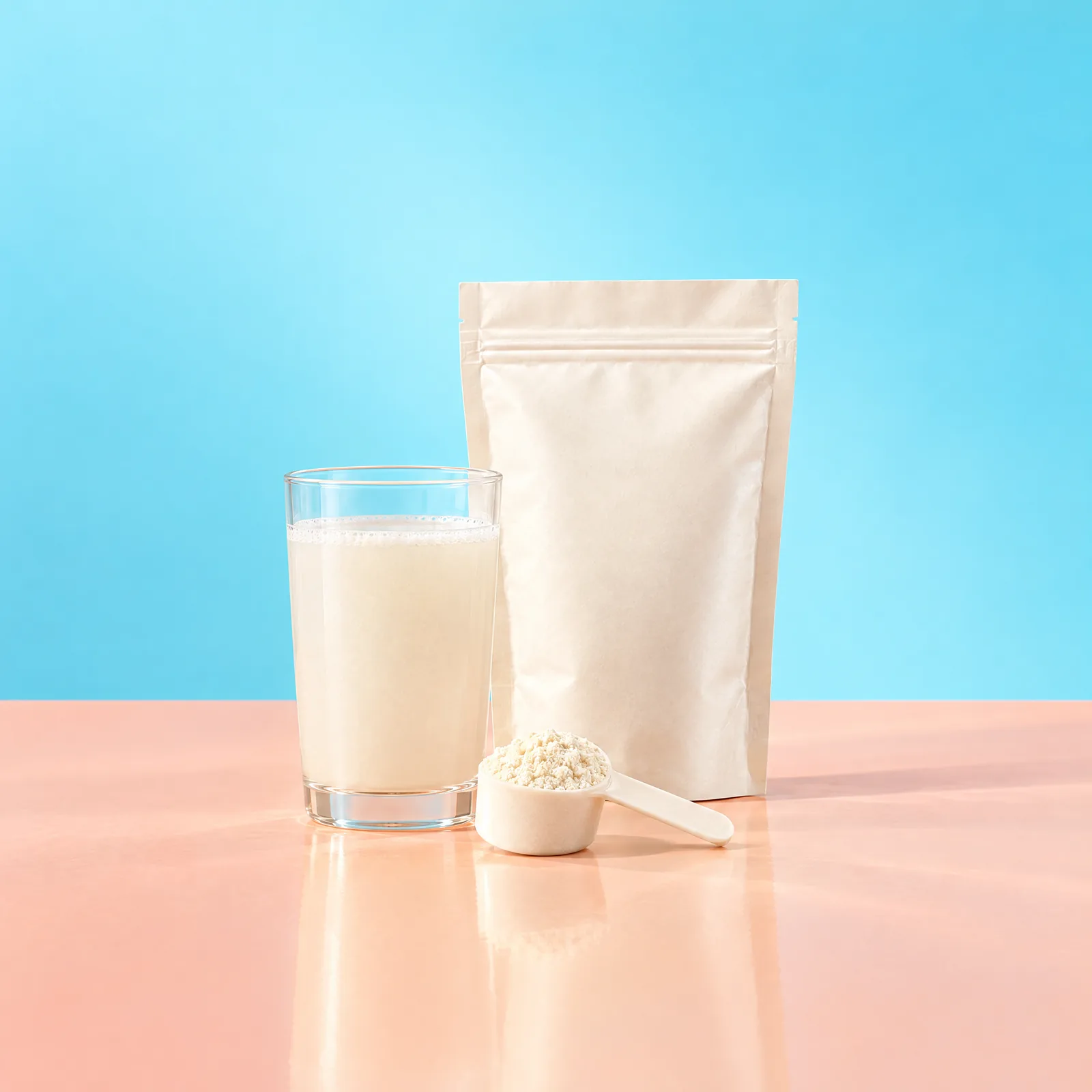
An unflavoured collagen powder for coffee and a fruit-flavoured collagen shot are different products to develop. The ingredient source, serving amount and preparation routine affect taste, packaging and how customers understand the offer. If you are planning private label collagen, choose the main use occasion first. Tell the manufacturer whether the product should blend into an existing drink or be consumed on its own. That decision gives the sampling process a practical starting point and helps narrow the first launch.
Choose the occasion before the format
Think about when customers will use the product. A powder added to a morning drink needs to disperse without dominating the flavour. A flavoured powder mixed with water must stand on its own. Capsules may be familiar to supplement buyers but can constrain the practical amount per serving. A liquid shot adds questions about flavour intensity, stability and the experience of opening and drinking it. None is automatically more suitable; they create different jobs for product development.
Describe the intended customer, whether the product is part of a beauty or general wellness range, and what else is in that range. Decide whether collagen is the sole named ingredient or one part of a combination formula. If you are considering vitamins or minerals, state what purpose they serve and which claims you hope to use. A longer ingredient list is not a substitute for a clear product proposition.
Specify the source and the actual ingredient
Ask whether the proposal uses bovine, marine or another collagen source and request the material specification. Source affects supplier documentation, allergen review, dietary suitability, taste and how the product can be presented. If a marine ingredient is used, check the fish allergen information. Do not rely on an attractive phrase such as “premium marine collagen” without knowing the exact material, its declared amount and how the finished product will be tested.
Clarify whether the proposed ingredient is collagen peptides or another collagen-derived material, how much is provided per instructed serving and what else contributes to the serving weight. Some proposed formats may need substantial space for flavour, acidity or other components. Confirm the final nutrition and ingredient declarations after the formula is fixed. If a supplier changes its collagen input later, ask whether the sensory profile or label must be reviewed again.
Approve the sample the way it will be consumed
For powders, prepare a sample in the liquid and volume printed in the proposed directions. If the product is intended for coffee, test it in a realistic cup; if it is marketed as a water drink, test it with water. Watch for clumping, floating material, aroma and aftertaste. A powder can seem neutral when tasted dry and noticeably different in a warm drink. Note what happens after the prepared serving sits for several minutes.
For a shot, assess flavour, mouthfeel and the complete serving rather than a small laboratory sip. For capsules, look at the number and size required for the intended amount. Record the sample version, preparation method and comments from each reviewer. Ask for a revised sample when an essential requirement is not met, then approve the revised formula explicitly. “Looks good” is not a sufficient production sign-off.
Make claims a separate approval task
Do not assume that the presence of collagen permits broad promises about skin, joints or other outcomes. In the EU, nutrition and health claims are governed by specific rules and must be assessed against the exact proposed wording and product composition. Where a formula contains additional nutrients, a claim about one nutrient should not be presented as proof for the entire collagen product. Review packaging, advertising and website copy together before artwork is locked.
The intended sales countries matter. A product made in the EU still needs appropriate local label language and any required national notification. Begin that review while selecting the formula, because a late regulatory objection can force changes to the ingredient list or marketing concept. The manufacturer can provide technical documentation, but the brand should know who is responsible for final market approval and communication.
Request a complete quotation
Consider how customers will recognise the source and format when choosing between products online. A marine powder and a bovine shot need different descriptions even if the brand uses the same visual design. Provide the approved ingredient and serving information to the retailer with the first shipment. This helps keep listings accurate and avoids the sales team rewriting a technical product description from memory when another channel requests content.
Give the manufacturer the preferred collagen source, format, serving size, flavour direction, pack count, target markets, expected first order and launch window. Ask the proposal to identify the ingredient, sampling stage, pack components, testing, documentation and minimum quantity for that configuration. Compare offers on the finished product you can actually sell, not only the price of collagen powder.
Vitaminlabs works with brands on private label and custom supplement projects. Send your collagen product brief to Vitaminlabs and tell us which use occasion and format you want to develop. We can assess the formulation and packaging direction before preparing a project-specific quotation.
Sources
Planning a product? Explore our private label and custom formulation approach or discuss your manufacturing brief.