Private Label Turmeric Supplements: Choose the Material Before the Label
Plan a private label turmeric or curcumin supplement: specify the extract, serving, format and markets. Discuss your botanical brief with Vitaminlabs.
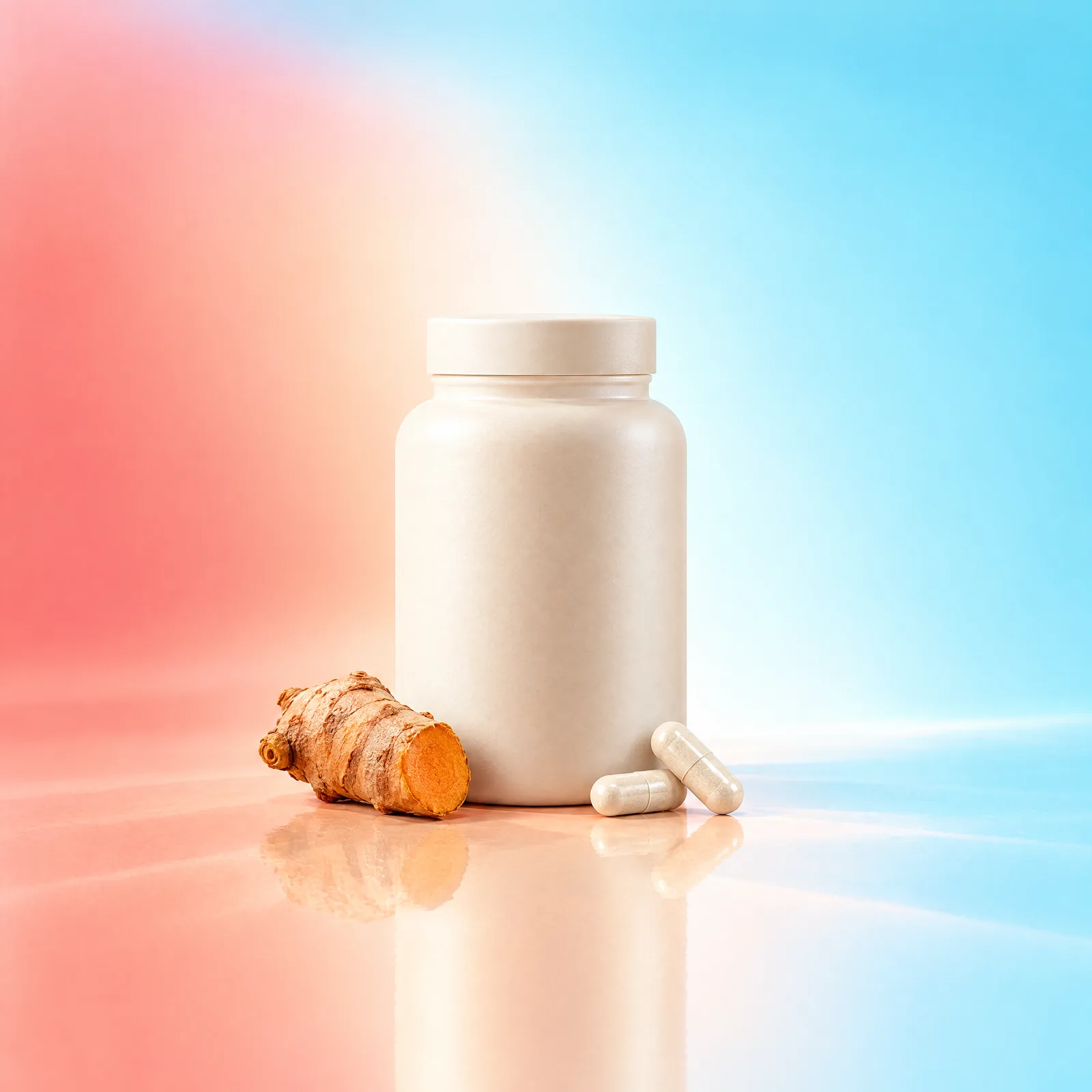
When requesting private label turmeric, specify whether you want root powder, a defined extract or a combination formula. The material and serving affect the format, sample and documents needed for review. Give the manufacturer your sales countries and any ingredient preferences before choosing a bottle design. You can then assess a proposal based on the exact preparation being offered, with clearer expectations for taste, pack size and the information your brand will need before placing the product on the market.
Define one product direction
Begin with the customer and the role of the product in your range. Do you want a simple turmeric powder capsule, an extract-led supplement or a combination with other ingredients? State why the customer would choose it and which format fits their routine. A capsule may offer a straightforward serving, whereas a liquid requires a separate sensory and stability assessment. A familiar ingredient name does not establish that every format will work.
Give each supporting ingredient a clear role. If you are considering piperine or a branded delivery preparation, request a review of that precise combination rather than treating it as a standard addition. The choice can change the safety, sourcing and marketing questions. Avoid adding materials solely because competing brands list them. A concise formula with an identifiable purpose gives both the manufacturer and the customer something clearer to evaluate.
Request the botanical specification
Ask for the scientific name, plant part, material type and extraction details where relevant. The proposal should identify whether the product uses a root powder or a defined extract, the quantities per serving and the analytical basis for any declared marker content. Two offers that mention curcuminoids can use different materials and concentrations. Compare the actual specification rather than the headline percentage on a sales sheet.
Request the relevant identity, microbiological and contaminant documentation for the chosen ingredient. Ask how traceability, pesticides, heavy metals and process-related residues are controlled where applicable. Clarify which tests come from the supplier and which the manufacturer performs or commissions. If a branded ingredient is part of the offer, confirm naming rights and supply conditions before placing a trademark on artwork. The brand should know what it is approving and what happens if that supply changes.
Check the destination while development is flexible
Name the countries where the first batch will be sold. Botanical preparations can require different assessments by market, and some extracts or uses may raise a Novel Food question. Have the exact material, intended serving and formula reviewed before committing to packaging. The availability of a raw material is not confirmation that the proposed finished product is suitable for every country. Resolve open questions while changes are still practical.
Assign responsibility for product notification, label language and final market approval where required. A manufacturer can supply product information, but the brand needs a clear owner for each release decision. If a distributor later adds another country, bring that change back into the review. A manufacturing quote should describe the technical and commercial scope; it should not be treated as a blanket statement of permission to market the product worldwide.
Approve a representative finished sample
For capsules, look at unit size and the number needed for the intended daily serving. For powders or liquids, test the actual preparation directions and complete portion. Review taste, handling and whether the customer can take the serving consistently. Colour and appearance may vary with the chosen botanical, so ask what tolerances the manufacturer proposes. Sample feedback should identify specific observations rather than an undefined request for a more premium result.
Keep the approved sample number with the formula and packaging specification. Discuss shelf-life evidence, storage conditions and relevant release checks. A change of extract can affect composition, colour, taste or label information. Ask how substitutions are communicated before reorders. This is especially useful when a product depends on a particular supplier preparation: the commercial team should not assume that any material bearing the same plant name is an equivalent replacement.
Keep the product message accurate
Make the approved ingredient preparation easy to identify in purchase orders and retailer documents. A root powder and an extract can share similar imagery while describing different products. Distinct SKU references and a consistent serving description help sales teams preserve that difference when they prepare listings or discuss a new order.
Review proposed pack text, website descriptions and retailer listings together. Words implying treatment or a specific health effect need careful assessment; a scientific publication about an ingredient does not automatically authorise marketing wording for your formula. In the EU, nutrition and health claims operate under defined rules and conditions. Use the approved composition and intended audience as the basis for the copy, and settle the wording before artwork goes to print.
Send Vitaminlabs your material preference, serving direction, format, countries, pack size, estimated quantity and launch window. Include any branded ingredient or dietary requirement you consider essential. Discuss your private label turmeric project with Vitaminlabs. We can assess the proposed technical direction and the information needed for a product-specific quotation, with sampling, packaging and documentation considered together.
Sources
Planning a product? Explore our private label and custom formulation approach or discuss your manufacturing brief.