Europe remains one of the most attractive markets for launching a supplement brand in 2026. Consumers are increasingly educated, demand is strong in categories like whey, collagen, magnesium, probiotics, and functional beverages, and e-commerce makes cross-border selling easier than ever. At the same time, Europe is highly regulated—so the brands that win are the ones that combine smart product strategy with compliance, reliable manufacturing, and great branding.
If you’re thinking about launching private label supplements in Europe, this guide explains the process step by step—from product idea to production, labeling, and scaling.
What Are Private Label Supplements?
Private label supplements are products manufactured by a third-party facility, then sold under your own brand name. You don’t need to own a factory to launch a supplement line. Instead, you partner with a manufacturer that handles production, quality control, packaging, and (often) labeling support.
There are typically three approaches:
- White Label (Ready-to-sell formulas): You choose from pre-made products and add your branding. Fastest route.
- Private Label (Semi-custom): You start from a base formula and adjust flavor, dosage, ingredients, or format.
- Custom Formulation (Full R&D): A fully unique formula built from scratch—ideal for differentiation, but slower and more expensive.
For most new brands, private label (semi-custom) offers the best balance between speed, uniqueness, and cost.
Why Launch in Europe in 2026?
Europe offers a strong combination of market size, purchasing power, and trend-forward consumers. In 2026, demand continues to grow in areas like:
- Sports nutrition (whey, creatine, intra-workout, recovery)
- Health & longevity (omega-3, vitamin D3+K2, magnesium glycinate)
- Beauty supplements (collagen, hyaluronic acid, skin & hair stacks)
- Gut health (probiotics, fiber blends, digestive enzymes)
- Functional drinks (ready-to-drink protein, hydration formulas)
However, the EU’s strict regulatory framework is also a competitive advantage. Brands that are compliant and transparent build trust faster—and trust drives repeat purchases.
Step 1: Pick a Product Category That Sells
The biggest mistake new brands make is launching “what they like” instead of what the market actually buys. In Europe, your best options depend on your channel:
If you sell online (DTC / eCommerce):
- Magnesium blends
- Ashwagandha & adaptogens
- Collagen powders
- Vitamin D3 + K2
- Sleep and stress formulas
If you sell to gyms or retailers:
- Whey protein (WPC/WPI, clear whey)
- Creatine monohydrate
- Pre-workouts (if compliant)
- BCAA/EAA (still sells in gyms)
- Electrolyte mixes
If you want fast repeat buyers:
- Daily essentials (omega-3, multivitamins, probiotics)
- Subscription-friendly products (collagen, magnesium)
A strong private label strategy is not about launching 20 products. It’s about launching 3–5 winners, then expanding once cash flow is stable.
Step 2: Define Your Target Market and Positioning
“Europe” is not one market—it’s many markets with different behaviors and price expectations.
For example:
- Germany & Netherlands: quality-focused, science-first messaging works well
- France & Spain: lifestyle branding and benefits-driven content performs better
- Eastern Europe: strong price sensitivity, but fast growth to premium
- Nordics: clean-label, premium positioning wins
Before you contact a manufacturer, define:
- Who is your customer?
- What problem does the product solve?
- What makes your brand different (taste, formula, purity, packaging, value)?
Clear positioning helps you choose the right formula and packaging—and makes it easier to scale later.
Step 3: Choose a Manufacturer (The Most Important Decision)
Your manufacturer determines your product quality, consistency, lead times, and compliance risk. The “cheapest” option often becomes the most expensive after delays, returns, or regulatory issues.
When evaluating a European private label manufacturer, check:
Manufacturing standards
- HACCP / ISO systems (depending on product type)
- Strong QC procedures and batch documentation
- Traceability
Raw material sourcing
- Traceability and COAs (Certificates of Analysis)
- Trusted suppliers for actives (vitamins, minerals, extracts)
Services offered
- Formulation support
- Packaging options
- Labeling compliance guidance
- Logistics/shipping support (optional)
Transparency
- Clear MOQs
- Realistic production timelines
- Willingness to share specs and test results
A good manufacturer should feel like a long-term partner—not just a supplier.
Step 4: Understand MOQ, Pricing, and Margins
MOQ means Minimum Order Quantity. In supplements, MOQs depend on format and complexity.
Typical ranges (very general guidance):
- Capsules: often lower MOQ than powders
- Powders: higher MOQ, especially flavored products
- RTD drinks / liquids: usually the highest MOQ due to production complexity and packaging lines
Your cost structure usually includes:
- Raw materials + manufacturing
- Packaging (jar, pouch, bottle, sachets)
- Labels / printing
- Quality testing
- Shipping / palletization
When building pricing, think in layers:
- Private label cost per unit (your cost)
- Wholesale price (B2B clients / distributors)
- Retail price (your online store)
Most successful brands aim for:
- Healthy margin online (DTC)
- A separate pricing plan for wholesale that still leaves room for profit
In 2026, brands that win focus on cash flow and repeat orders, not just “premium branding.”
Step 5: Labeling and Compliance in the EU (Critical)
Europe is strict about what you can claim on labels and ads. This matters not only for legal safety but also for payment processors, ad approvals, and marketplace listings.
Key compliance points:
- Product name and ingredient list must be accurate
- Allergen statements must be included when required
- Nutrition table and dosage instructions must follow local rules
- Claims should be based on approved frameworks (avoid medical claims)
Also, different EU countries can have slightly different expectations for language requirements and claim interpretation. If you plan to sell across borders, build your labels to handle multiple markets.
A strong manufacturer will help you avoid risky claims and keep your brand compliant.
Step 6: Packaging That Sells (Without Killing Your Margin)
Packaging is branding—but also cost. The best private label brands in Europe balance premium look with scalable economics.
Common packaging options:
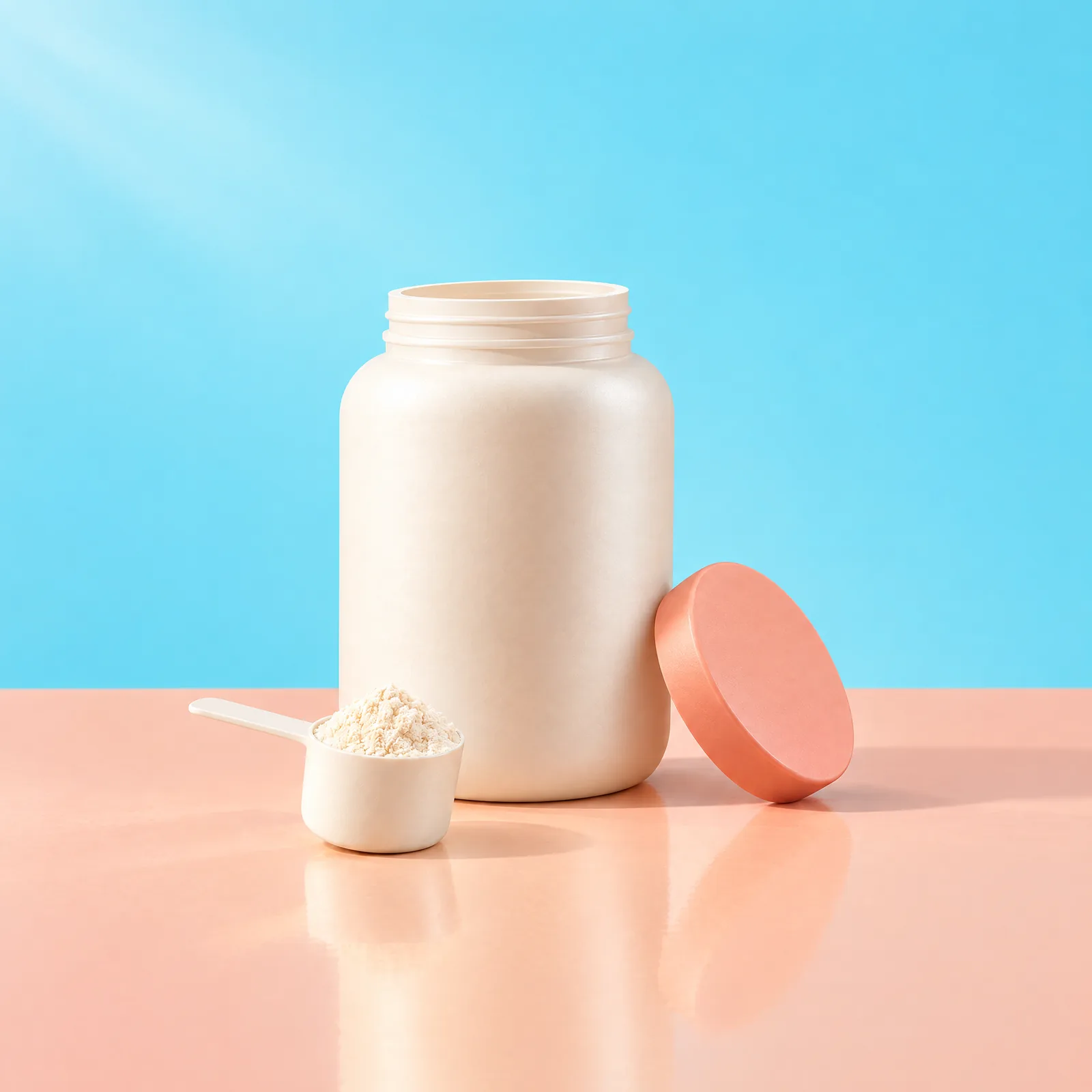
- Plastic jars (sports nutrition staples, durable)
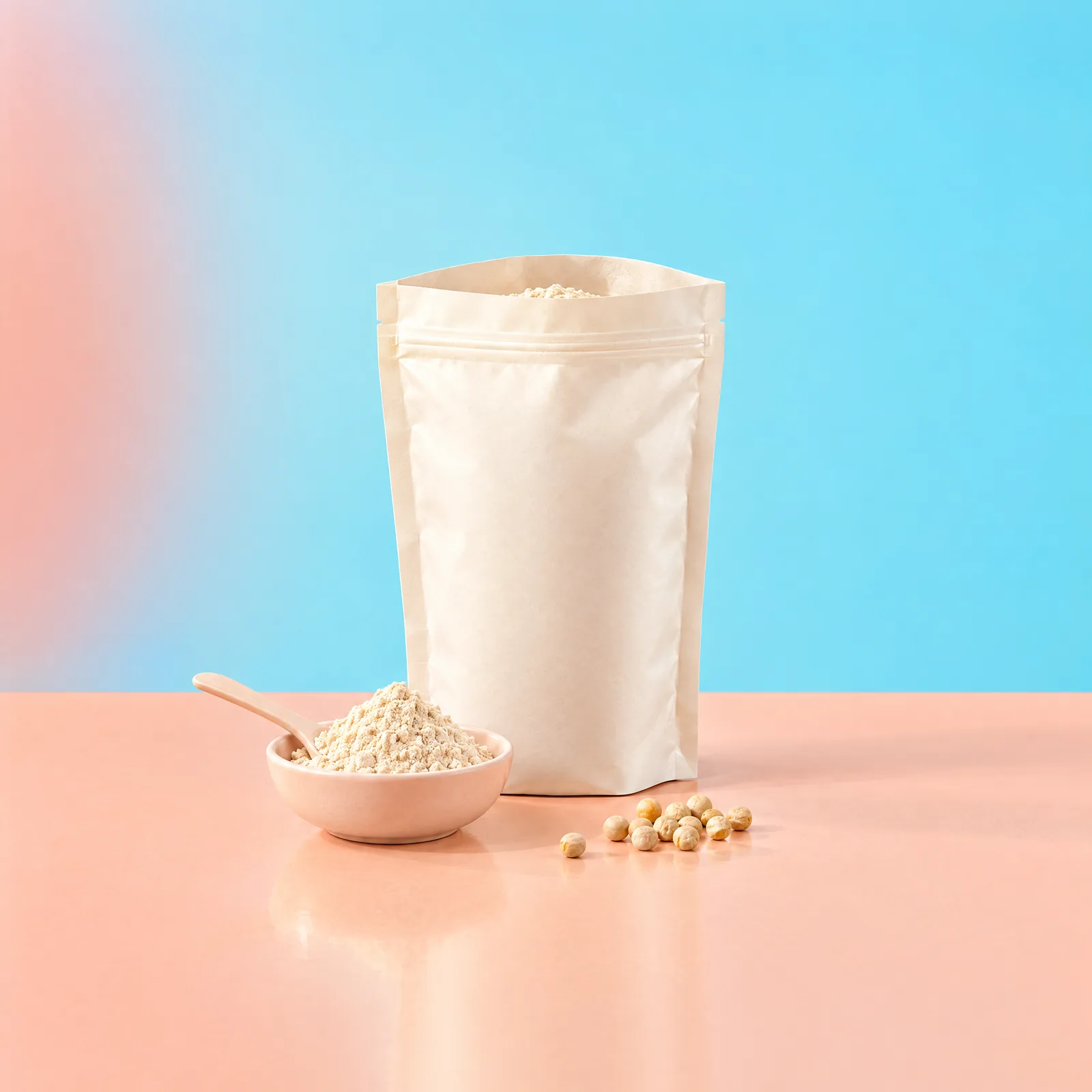
- Stand-up pouches (cost-efficient, modern)
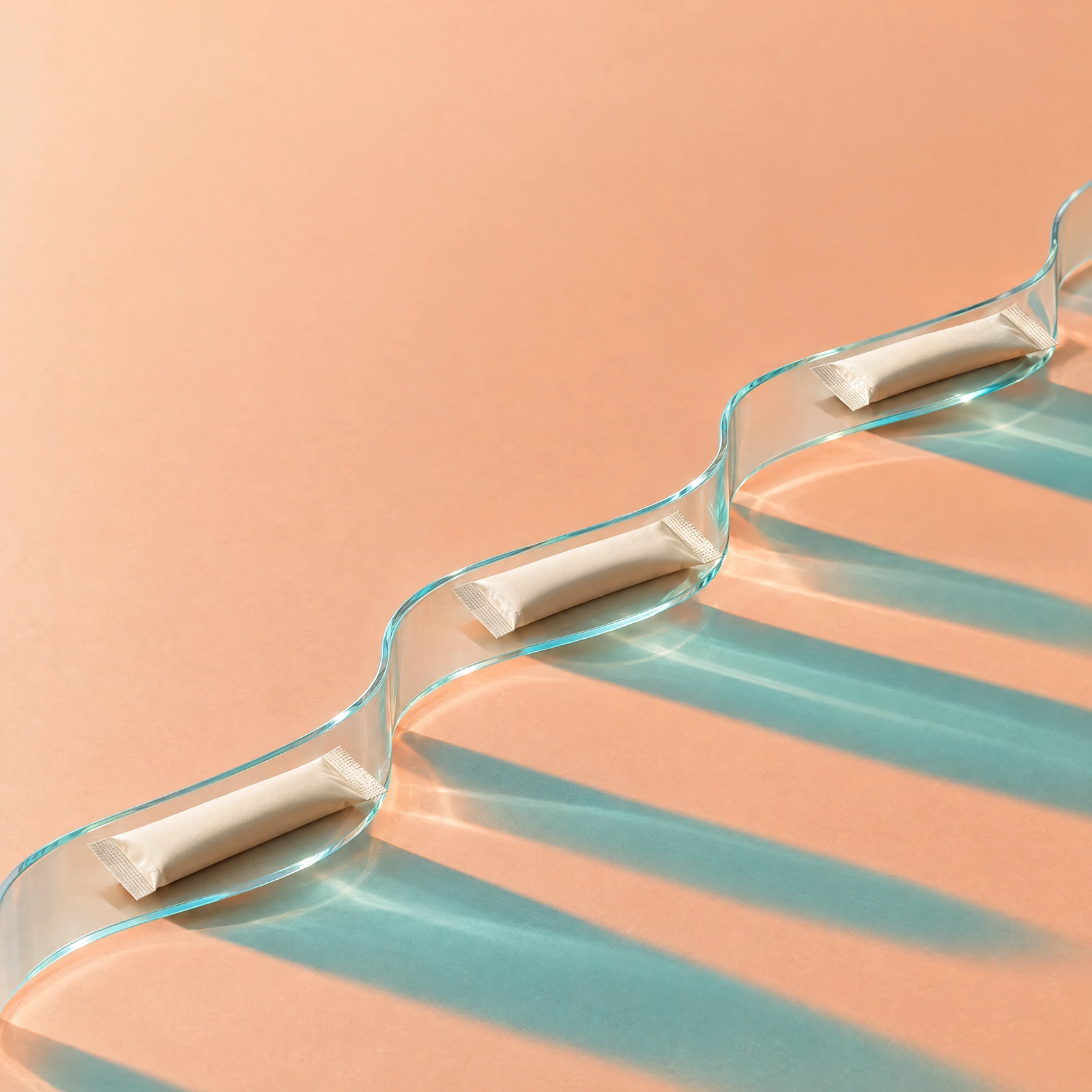
- Sachets / single servings (premium sampling strategy)
- Bottles / cans for RTD (highest visual impact, higher complexity)
In 2026, minimal clean design is trending, but consumers still want clarity:
- What is it?
- What does it do?
- How much per serving?
- What makes it better?
Packaging should also support shipping (especially for e-commerce) and reduce damage rates.
Step 7: Timeline: How Long Does It Take?
A realistic private label timeline in Europe looks like this:
- Product selection + quote: 3–10 days
- Formula finalization: 1–3 weeks
- Label design & compliance checks: 1–3 weeks
- Production scheduling: depends on capacity
- Manufacturing + packing: typically several weeks
- Delivery / fulfillment setup: 3–10 days
If you’re building a brand properly, don’t plan “launch next week.” Plan for a smooth and predictable launch, then reorder quickly when sales start.
Step 8: How to Scale After Launch
Once your first products sell, the next growth stage is about improving your supply chain and expanding smartly.
Best scaling moves:
- Launch complementary products (stacks)
- Add better flavors and upgraded formats
- Improve packaging efficiency (lower costs per unit)
- Expand to new EU markets gradually
- Build subscriptions and bundles to increase AOV
The brands that grow in Europe are consistent with:
- Quality
- Reliable inventory
- Clear customer education
- Fast reorders
Final Thoughts
Launching private label supplements in Europe in 2026 is a powerful opportunity—but success depends on doing the fundamentals correctly: picking the right products, partnering with a serious manufacturer, staying compliant, and building a brand that customers trust.
If you approach it strategically, you can launch with a small product line, validate demand quickly, and scale into a multi-market European brand.