Private Label Electrolyte Powder: From Serving Brief to Finished Drink
Create a private label electrolyte powder for your brand. Define minerals, preparation, flavour and pack, then discuss production with Vitaminlabs.
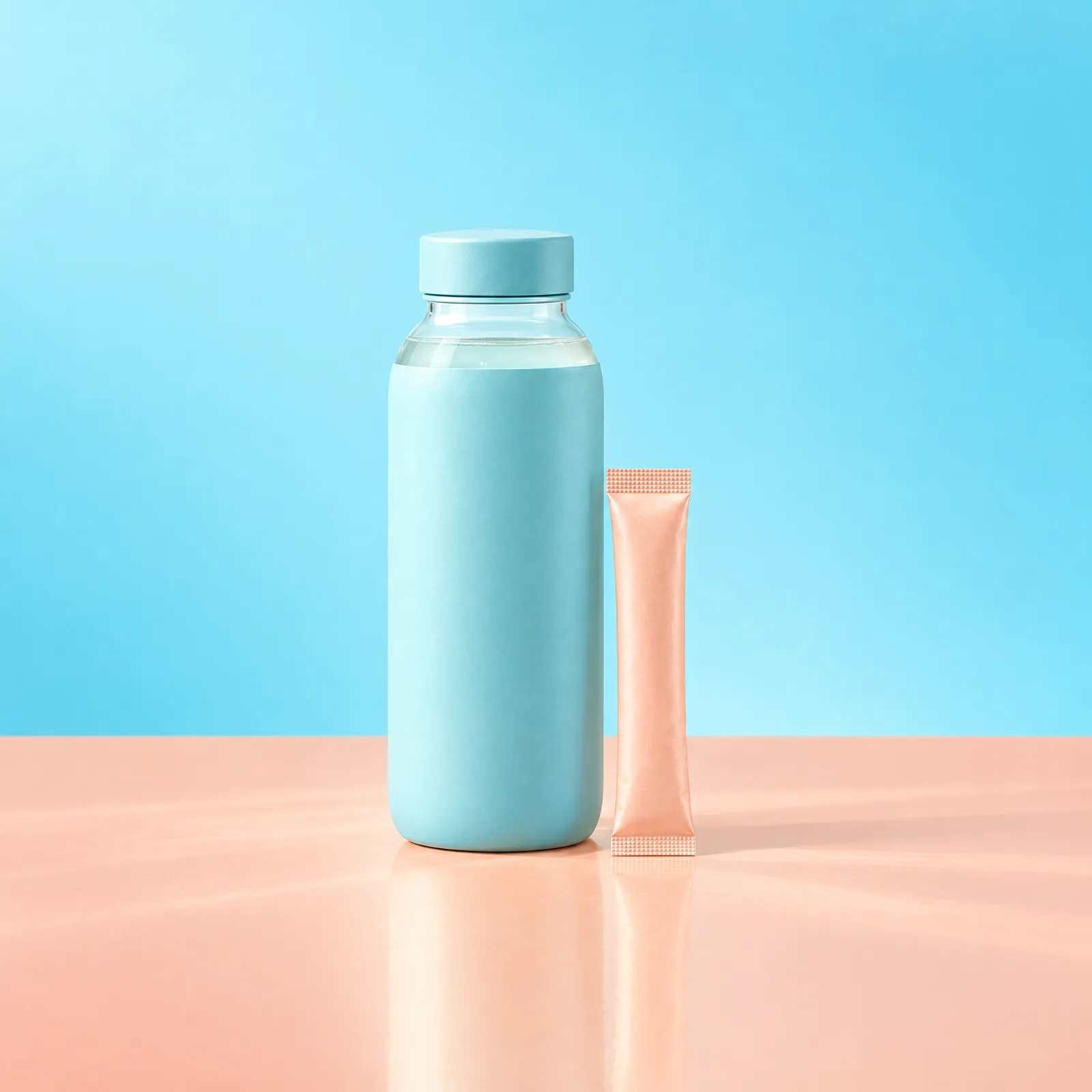
An electrolyte powder for a large training bottle and a travel sachet may need different servings and preparation instructions. Choose the routine you want your private label product to serve, then define the mineral profile, flavour and pack. Test the prepared drink at that serving rather than judging the dry powder. This gives you useful feedback on taste, mixing and convenience, and helps the manufacturer quote a product suited to your intended sales channel and first order.
Define the use occasion
If your sachet is intended for a 500 ml bottle, use that bottle during sampling and check whether the customer can mix the serving without spillage.
Is the product for training, hot-weather travel or an everyday flavoured water routine? The answer shapes serving size, sodium level, sweetness and how the brand should speak about the product. Do not use “hydration” as a substitute for a brief. Describe the customer, the amount of water used, when the product is taken and whether the first range needs one flavour or several. The serving should be realistic in the bottle size that customers actually carry.
Decide whether the product is a simple electrolyte mix or a broader formula with vitamins, carbohydrates, caffeine or other components. Each addition changes the flavour and label. A caffeine-containing direction, for example, brings a different audience and warning review from an ordinary mineral drink. Keep the first SKU focused. If several concepts are being evaluated, request separate samples rather than allowing ingredients from one concept to drift into another.
Specify minerals in the finished serving
Ask for the amount of sodium, potassium, magnesium or other named minerals delivered by the instructed serving, not only the weights of their compounds. Confirm which nutrient sources are proposed and whether they are permitted for the intended use and markets. A product can carry an impressive list of salts while providing a very different mineral profile once the values are converted to the nutrients a customer sees on a label.
Mineral choices affect the drink's taste. Salty, bitter or metallic notes may be more noticeable in a low-sugar formula. Ask the manufacturer how flavour, acids and sweeteners interact with the proposed mineral load. A sample that tastes pleasant only when mixed more dilute than the printed directions needs revision or a clearer instruction. Do not approve the nutritional table before the serving and preparation volume are fixed.
Test a complete glass, not a sip
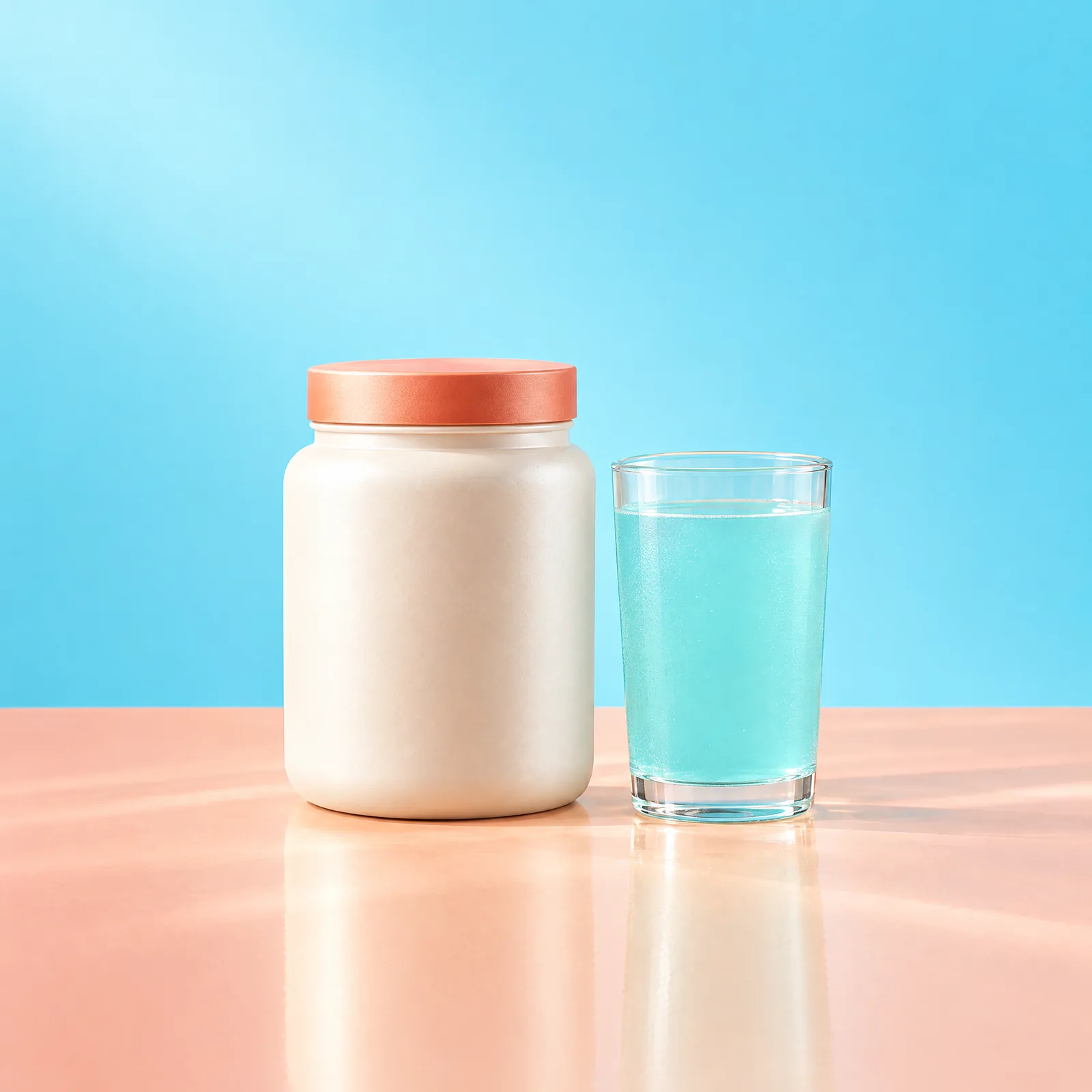
Prepare the powder with the intended water volume and temperature, using a normal bottle or glass. Note how quickly it dissolves, whether sediment remains, how the drink tastes from the first sip to the last and whether the aftertaste changes after standing. Test the proposed serving without extra ice or fruit unless the label will recommend them. If the brand plans a low-sugar or sugar-free claim, confirm that the actual formula meets the claim's legal conditions.
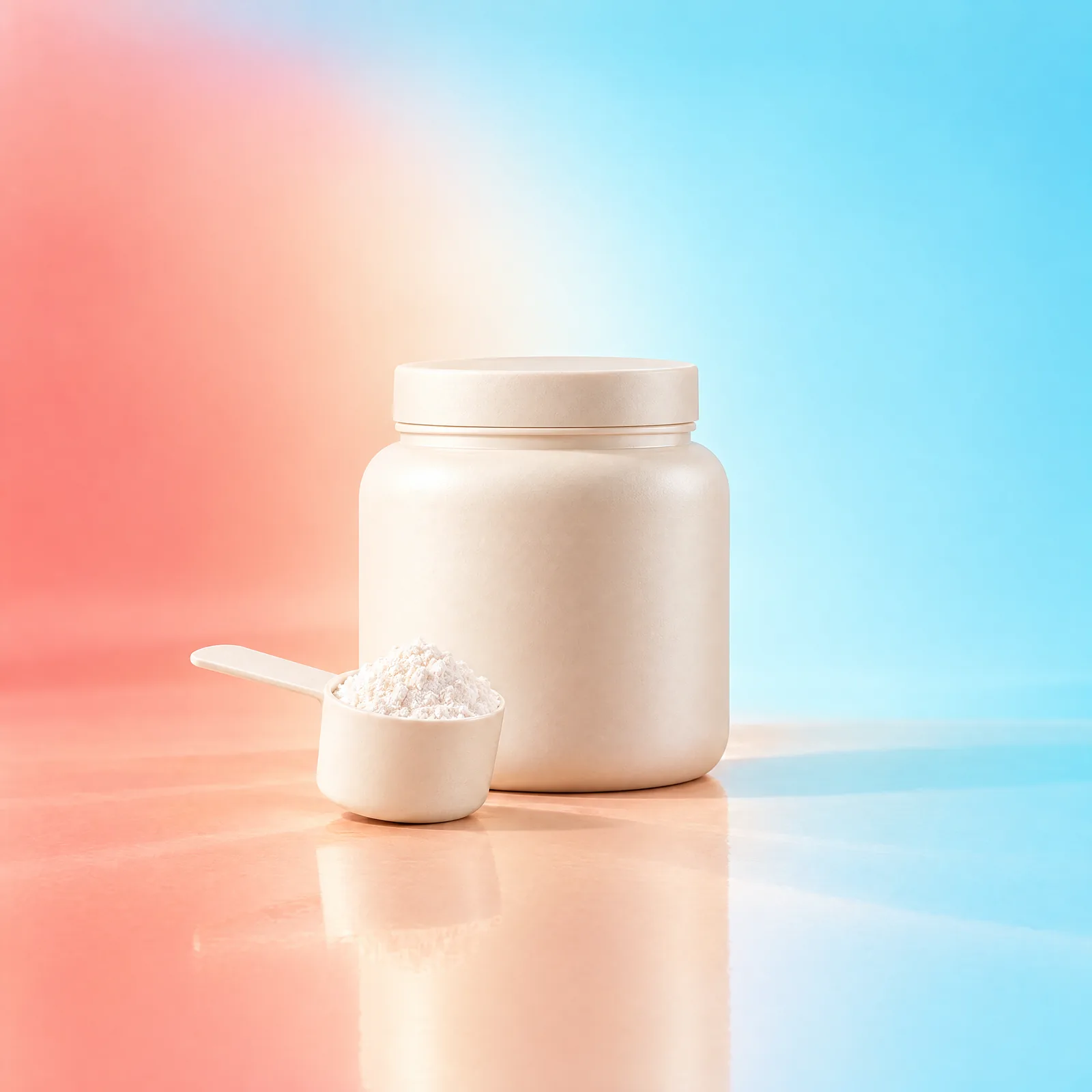
For sachets or sticks, check whether the full dose empties cleanly and whether the tear point is usable. For a tub, test the scoop and the practicality of measuring one portion. Decide whether the customer will carry the pack, store it at home or keep it in a gym bag. These routines should influence pack size, moisture protection and the number of servings, not be settled by visual design alone.
Review what the brand may say
Mineral-related nutrition and health claims have conditions. Broad promises about preventing dehydration, improving performance or treating symptoms should not be inferred from the word “electrolyte.” Give the regulatory reviewer the exact formula, daily serving, target market and proposed pack and advertising copy. If the product is aimed at a particular sporting audience, separate the product description from claims that require additional substantiation or authorisation.
Label space matters. The customer needs clear preparation directions, nutrient amounts and any required supplement information in the appropriate language. Confirm whether the finished product is being marketed as a food supplement or another food category; that classification affects the information required. A design that does not leave room for it can delay launch after the formula is otherwise approved.
Quote the formula and the pack together
Decide how flavour variations will share instructions across the range. If one version needs a different preparation volume or serving weight, give it a distinct specification and review its artwork separately. Retail listings should identify the number of prepared portions and the amount of water used. That makes comparisons clearer for customers and helps prevent a formula designed for a large training bottle from being promoted with an image of a small glass.
Send the intended consumer, preparation volume, mineral targets, flavour direction, sugar preference, format, pack size, countries, expected order and launch timing. Ask the manufacturer what the quotation includes: formulation, samples, blending, filling, pack components, testing and documentation. Minimum quantity can differ between a tub and many individually packed sticks. Compare proposals for the same serving and pack configuration.
Vitaminlabs can discuss a private label electrolyte concept across suitable powder and other product formats. Send your hydration-product brief to Vitaminlabs. We can review the serving, sensory direction and packaging before preparing a proposal for your product.
Sources
Planning a product? Explore our private label and custom formulation approach or discuss your manufacturing brief.