Private Label Amino Acid Powders: Choosing a BCAA or EAA Product
Build a private label BCAA or EAA powder around your audience. Define composition, serving and flavour, and discuss a manufacturing brief with Vitaminlabs.
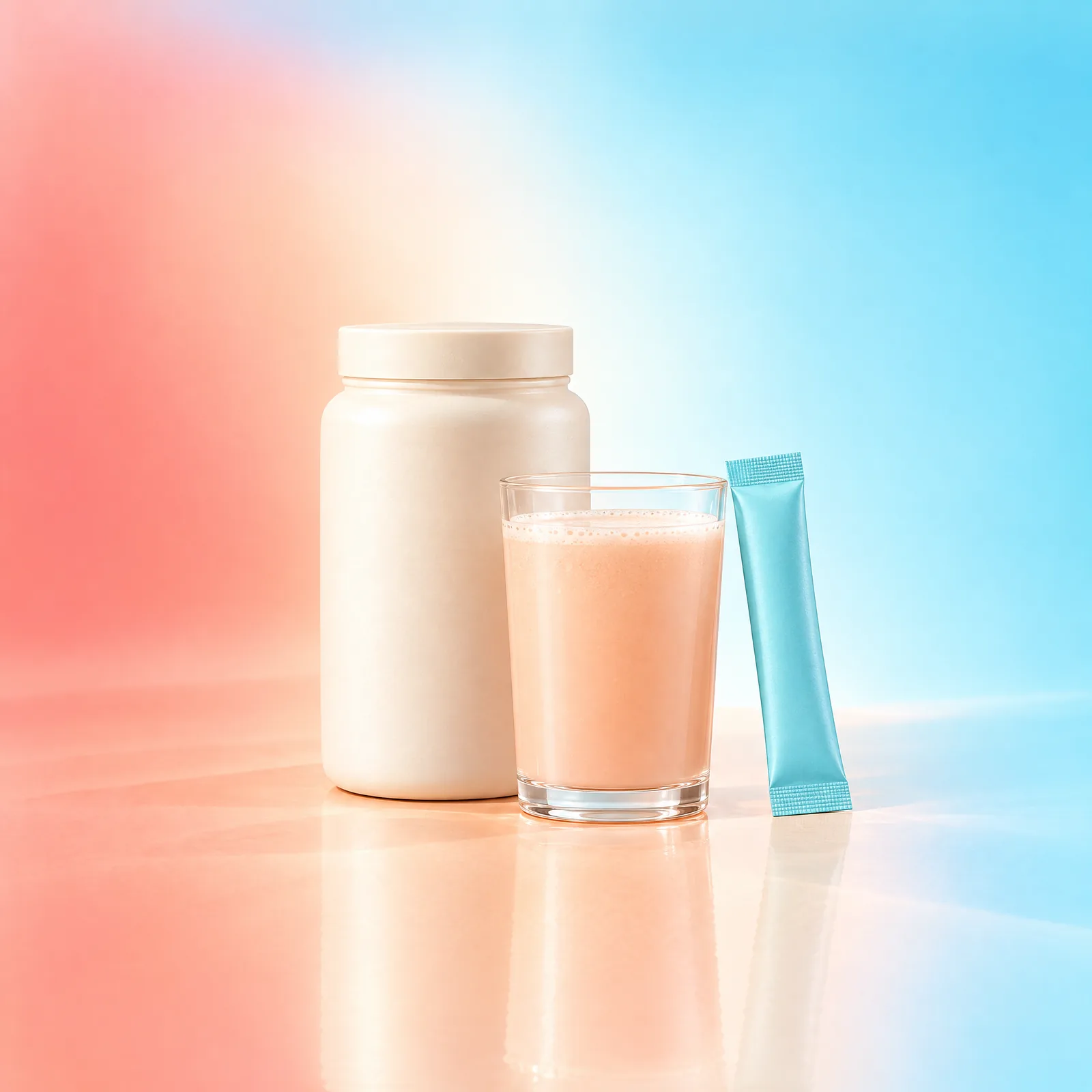
If your range already includes protein and hydration products, decide where a private label BCAA or EAA powder fits. Customers might prefer a lighter drink during training or measured amino acids in a portable pack. Define that use occasion, then choose the composition, serving weight and flavour with your manufacturer. Ask for the individual amino-acid amounts and test the full prepared portion. Those details give you a clearer comparison between samples and help you build a product with a distinct place in the range.
Establish a reason for the first SKU
If the brand already sells whey or plant protein, explain why customers would also choose an amino-acid drink. Perhaps they prefer a lighter prepared drink during training, or want a measured amino-acid formula in a convenient pack. Treat these as propositions to assess with your audience. Avoid assuming that a familiar category automatically creates demand. The customer, occasion and preparation routine should be clear before choosing ingredients or designing a tub.
Decide whether the product will be a defined BCAA blend, an essential-amino-acid blend or a different combination. Ask the manufacturer for the full composition and the amounts of individual amino acids per instructed serving. A total blend weight can conceal differences between offers. If the formula includes electrolytes, caffeine or vitamins, explain their role and review the resulting product as a complete formulation. Added components should support one coherent proposition.
Compare the amounts customers will prepare
A ratio printed on a front panel is not enough for a technical comparison. Translate it into quantities in the finished serving and ask what ingredient grades are proposed. Request relevant material specifications and the manufacturer's plan for verifying the blend. Supplier and analytical documentation should identify what is being measured. A brand needs more than a marketing panel to understand whether two quotations describe comparable products.
Set a serving weight and number of servings per pack. Two tubs of equal net weight may give very different days of use. The chosen serving also affects how much water is needed and how easy the drink is to finish. If the manufacturer proposes a larger scoop during development, recalculate pack count and label information. Keep the commercial offer consistent with the actual serving rather than retaining an attractive number from the original design.
Put flavour through a realistic test
Amino-acid blends can present challenging flavours and different mixing behaviour. Prepare a full serving in the intended water volume with an ordinary shaker. Record bitterness, sweetness, acidity, foam and any residue. Taste the drink again after it has stood for a few minutes. A flavour system should work throughout the portion, not only when a reviewer takes a small sip from a development cup.
Give feedback in practical language. Specify whether the problem is lingering bitterness, excessive sweetness or powder remaining on the wall of the bottle. Send the sample identifier and preparation details with that feedback. Ask the manufacturer which change it recommends and what the revision does to composition and price. Approve a numbered sample and its specification together. Otherwise, a team may agree on the taste while leaving the actual production formula uncertain.
Select a pack for the powder's daily use
A multi-serve tub may suit a regular training routine. A pouch may be easier to store, while sticks offer measured portions and portability. Assess how the serving empties, how the pack reseals and whether the measuring tool is usable. Tell the manufacturer the expected distribution route and storage conditions. Moisture protection and the evidence behind shelf life should be considered before the pack becomes a purely visual decision.
Specify primary and outer packaging in the quote: closure, scoop, label or printing, shipping carton and any retail display. Ask which configuration determines the minimum production quantity. Many individually packed portions require a different planning calculation from one filled tub. Compare the complete product and its packaging rather than a bulk powder price that excludes the work needed to put the brand on a shelf.
Write claims against the approved product
Prepare a product sheet with the individual amino-acid amounts and the final serving count. Retail buyers can then compare the proposed SKU with the rest of their sports range. Use that same sheet for customer-service replies so a question about one ingredient does not receive a generic answer about the total blend.
An amino-acid name does not automatically authorise a performance or recovery promise. The wording used on the pack, website and retailer listing must be reviewed for the destination markets and actual formula. A study of a different composition is not a substitute for that review. The ingredient quantities can be explained clearly while the brand checks whether a particular claim has an authorised basis and meets its conditions.
For production and repeat orders, record the formula version, ingredient specifications, sensory approval, serving, pack components and release checks. Ask when supplier substitutions require brand approval. Then bring Vitaminlabs the BCAA or EAA direction, audience, serving, flavour, markets, packaging and estimated order. Send your amino-acid product brief to Vitaminlabs. We can discuss a feasible powder and a proposal for your product, including the sampling and documentation required before a production commitment.
Sources
Planning a product? Explore our private label and custom formulation approach or discuss your manufacturing brief.